

LEATHER CARE
LEATHER CARE
Your bag gets better
with every carry.
Here's how to make sure it does.
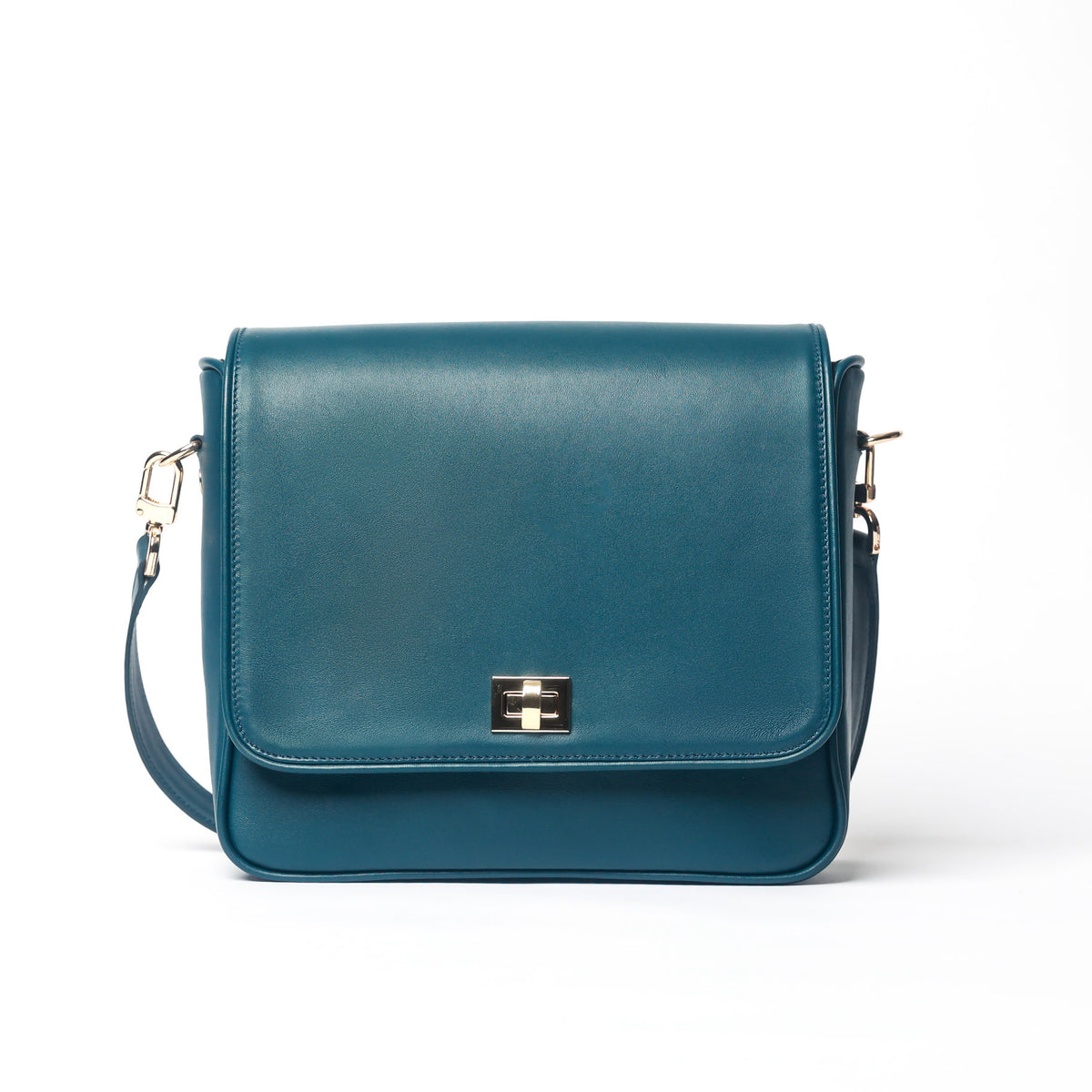
Leather isn't like other materials. It's alive in a way — it responds to how you treat it, softens where you hold it, and develops a patina that's completely yours over time. That's not wear and tear. That's character. I've been working with leather since 2009, and the bags I made back then? Still going strong. Here's everything I know about keeping your Tonē Bekka bag looking and feeling its best for years to come.
CLEAN
Cleaning your bag
Leather doesn't need a deep clean often — but when it does, doing it right makes all the difference.
1. Empty your bag completely before cleaning. Turn out any pockets and shake out debris.
2. Wipe down with a soft, dry cloth first. Microfiber works best. This removes surface dust and light dirt without introducing any moisture.
3. For deeper cleaning, use a slightly damp cloth — not wet, damp. Work in small circular motions and avoid soaking the leather. Less is more here.
4. Use a leather-specific cleaner for stubborn spots. Apply to a cloth first, never directly to the bag. Test on a hidden area before going all in.
5. Let it air dry naturally. Never use a hair dryer or place near a heat source — heat dries out leather and can cause cracking.
"Think of cleaning your leather like washing your face — gentle, intentional, and never too much at once."
DO THIS
- Use soft, natural-fiber cloths
- Work gently in small sections
- Let it dry fully before use
- Clean every 1–3 months depending on use
NEVER THIS
- Harsh household cleaners or baby wipes
- Soaking the leather with water
- Scrubbing hard on stains
- Direct heat to speed up drying
THE SECRET TO LONGEVITY
Conditioning your bag
If cleaning is washing your face, conditioning is moisturizing. Leather loses its natural oils over time — conditioning puts them back and keeps the leather supple, strong, and beautiful.
1. Start with a clean, dry bag. Never condition dirty leather — you'll seal in the grime.
2. Apply a small amount of leather conditioner to a soft cloth. Work it into the leather using circular motions, paying extra attention to handles, corners, and any areas that see heavy use.
3. Let it absorb for 10–15 minutes then buff away any excess with a clean, dry cloth.
4. Condition 2–4 times a year depending on how often you carry the bag and the climate you live in. Dry climates = more often. Humid climates = a little less.
"A well-conditioned bag doesn't just look better — it lasts decades longer. This one step is the most important thing you can do for your leather."
What to look for in a leather conditioner
Look for a conditioner made specifically for smooth, full-grain leather. Avoid anything with silicone or petroleum — these coat the surface instead of nourishing it. Natural wax- or oil-based conditioners are your best bet. When in doubt, less product, more buffing.
DON'T PANIC
Water & stain protection
Life happens. Rain, coffee, that mystery something at the bottom of your bag. Here's how to handle it without losing your mind — or your leather.
IF IT GETS WET
1. Blot — don't rub. Use a dry cloth to absorb as much moisture as possible immediately.
2. Stuff the bag with tissue or a clean towel to help it hold its shape as it dries.
3. Air dry at room temperature. Away from sunlight, radiators, and vents. Patience here saves the leather.
4. Condition once fully dry. Water pulls oils out of leather, so conditioning after a soaking is essential.
IF IT GETS STAINED
1. Act fast. The sooner you address a stain, the better your chances of removing it fully.
2. For oil-based stains (makeup, food): blot with a dry cloth to absorb the oil, then apply a small amount of cornstarch and let it sit overnight to draw out the rest. Brush off gently in the morning.
3. For ink: this one's tough. A leather-specific ink remover is your best option. Don't rub — dab carefully from the outside of the stain inward.
4. When in doubt, stop. Overzealous stain removal causes more damage than the stain itself. Reach out to us before trying anything aggressive.
"The best defense is a good offense — a water and stain protector spray applied every few months gives your bag a fighting chance before anything happens."
WHEN SHE'S RESTING
Storing your bag
How you store your bag when you're not using it matters more than most people realize. Good storage keeps the shape, protects the leather, and means your bag is ready to go whenever you are.
1. Stuff it. When storing your bag, fill it with tissue paper or a bag insert to help it hold its shape. Never store it empty and flat — it will crease.
2. Use the dust bag. Your Tonē Bekka bag comes with a dust bag for a reason. It protects from light, dust, and moisture while letting the leather breathe.
3. Store upright, not on its side. Laying a bag on its side long-term can distort the structure and cause the base to sag.
4. Keep away from direct sunlight. UV light fades and dries leather over time. A cool, dry, dark spot is ideal.
5. Never store in plastic. Plastic traps moisture and can cause mildew. Always breathable fabric only.
IDEAL STORAGE
- Cool, dry, dark space
- Upright and stuffed
- Inside the dust bag
- Away from other leather items that may transfer dye
AVOID
- Plastic bags or airtight containers
- Direct sunlight or heat sources
- Hanging by the straps long-term
- Damp basements or humid closets
THE BEST PART
Breaking in your new bag
A new leather bag is a little stiff at first — and that's a good thing. It means the leather is dense, high quality, and full of life. The break-in period is where your bag starts becoming yours.
1. Start carrying it. The best way to break in leather is simply to use it. Your body heat and movement naturally soften and shape it to the way you carry.
2. Condition it early. Apply a leather conditioner within the first few weeks of use. This jumpstarts the softening process and helps the leather develop its patina evenly.
3. Don't rush it. Avoid bending or forcing the leather into shape. Let it happen naturally. Forcing can cause creasing in places you don't want.
4. Embrace the patina. Over time your bag will develop a unique finish shaped by your life — the places you've taken it, the way you carry it. That's not aging. That's a story.
"The bag you carry five years from now will look different from the one you bought — and it will be more beautiful for it. That's what real leather does. It becomes yours."
Have a question about your specific bag? Reach out — I'm always happy to help you take care of what you've invested in.
The luxury of being you should last a lifetime.
— Jovanna, Founder & Designer · Tonē Bekka